Building a Design Organisation That Improved Seafarer Satisfaction to 80% Across Mission-Critical Systems
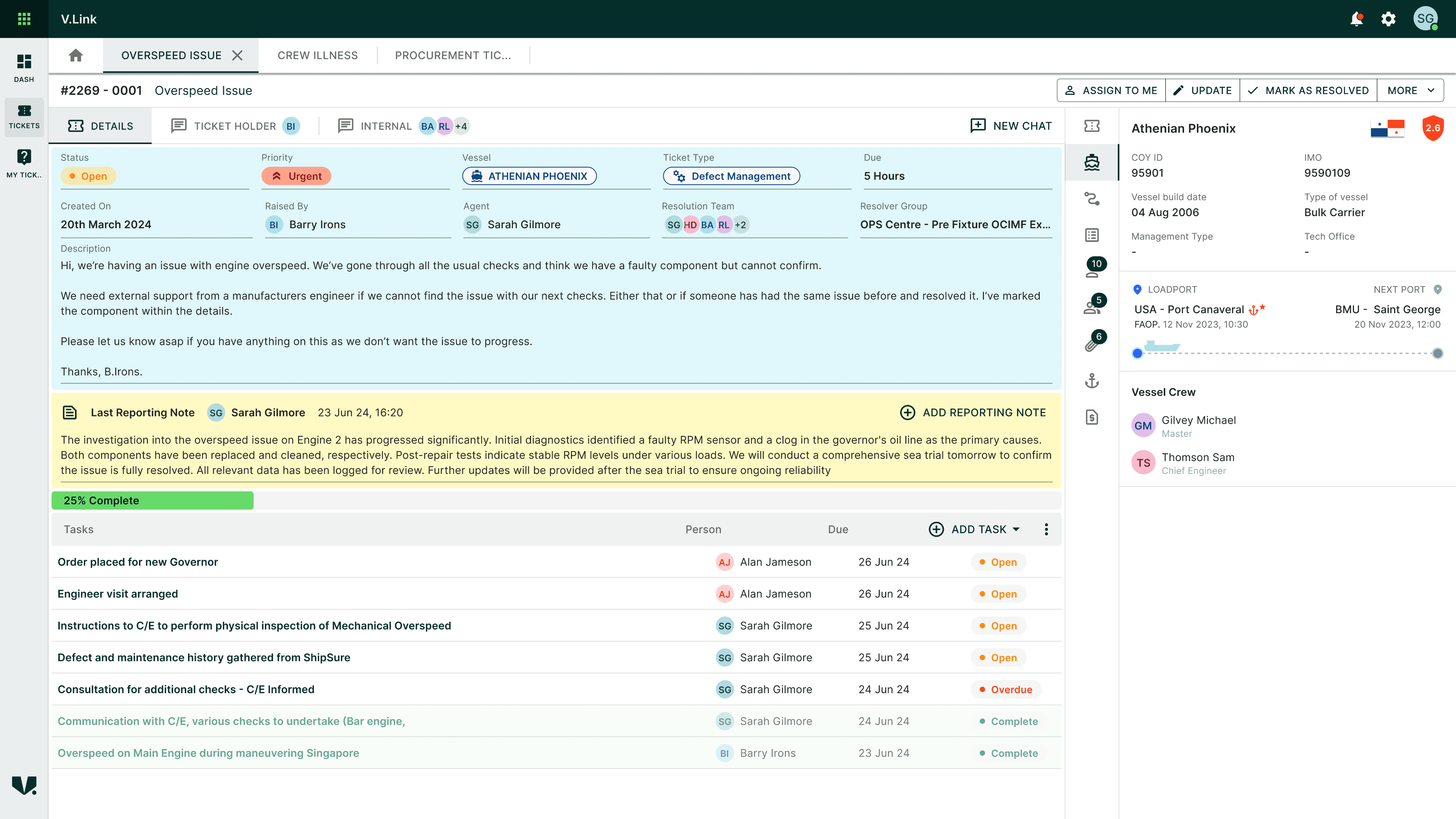
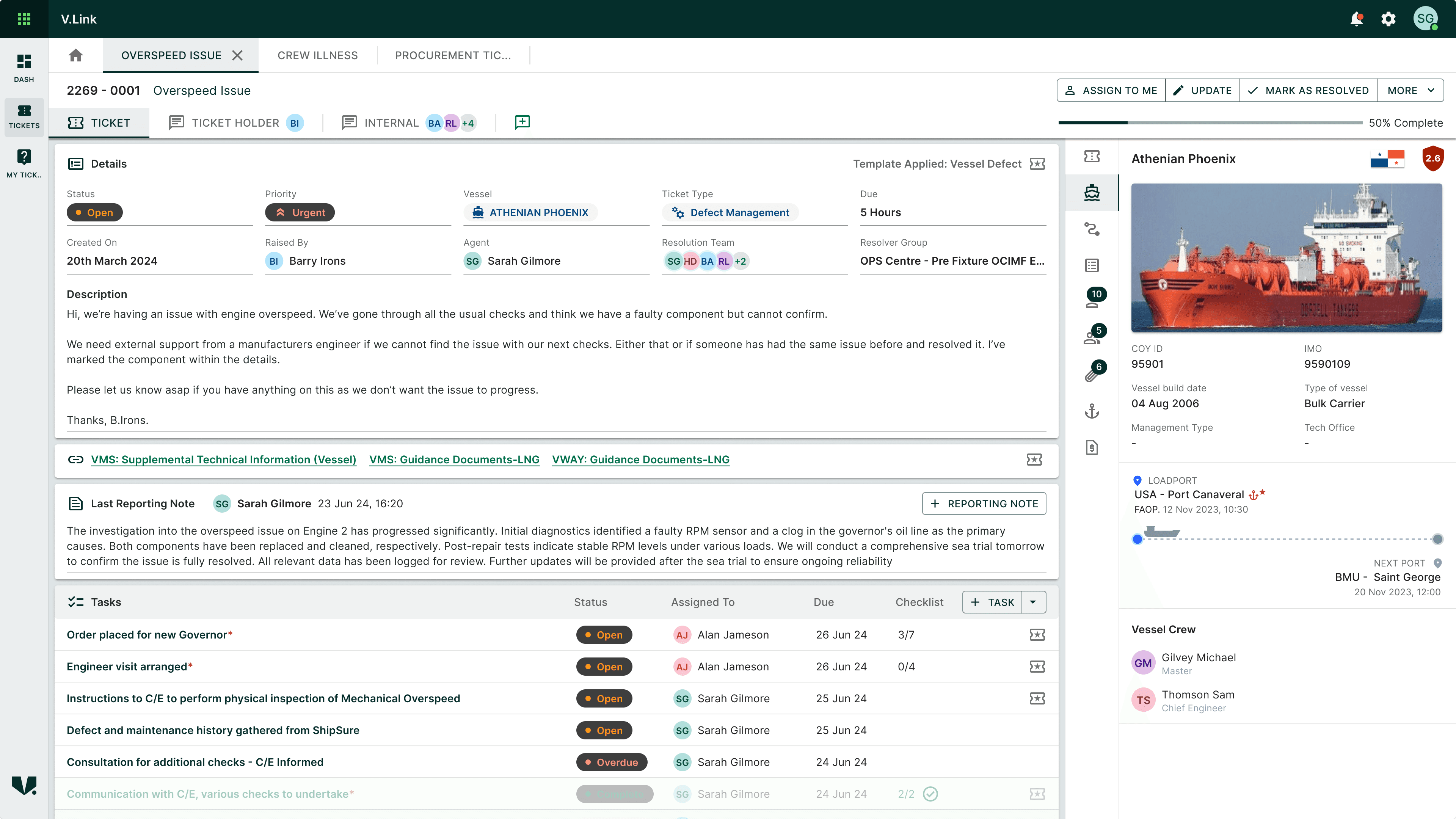
Product Clarity and Delivery at Scale for V.Ships
Role: Design Lead / Manager
V.Ships
B2B, SaaS, System Operations.
Maritime Services
3 Months
Challenge
V.Ships operates in a complex, high-stakes environment where technology supports safety, logistics, and daily life at sea. As the organisation scaled rapidly through new hires, contractors, and expanding services. Digital demand increased faster than internal processes could adapt.
The challenges were structural rather than superficial:
Rapid growth created pressure on teams and reduced consistency in delivery.
Communication between Product Owners and UX Designers was fragmented.
Design was often introduced late, limiting its impact and accessibility considerations.
Terminology gaps between design and engineering departments created conflict. This resulted in revision between code and design.
The risk was erosion of quality across mission-critical products relied upon by seafarers in demanding conditions.
The Outcome
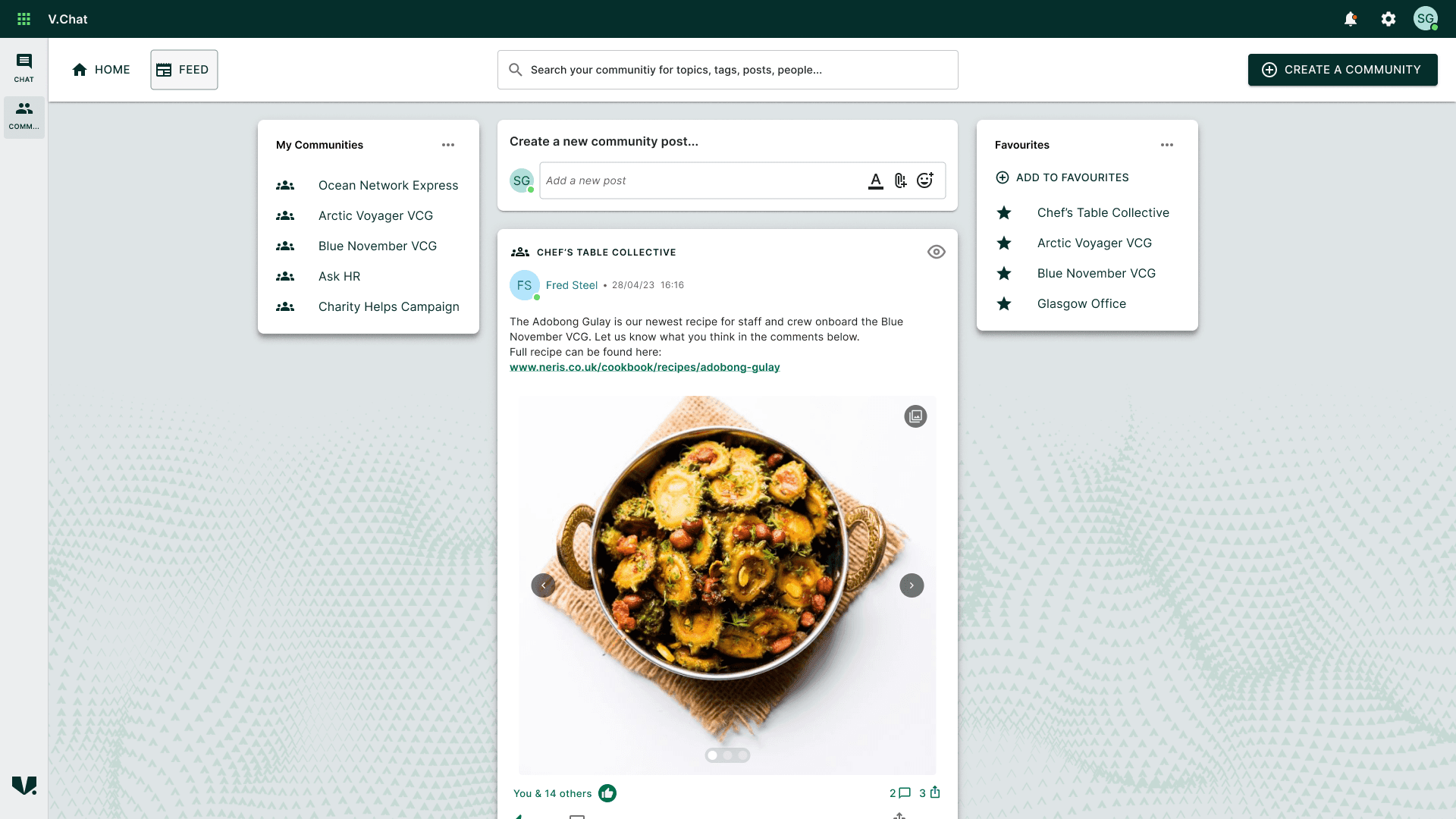
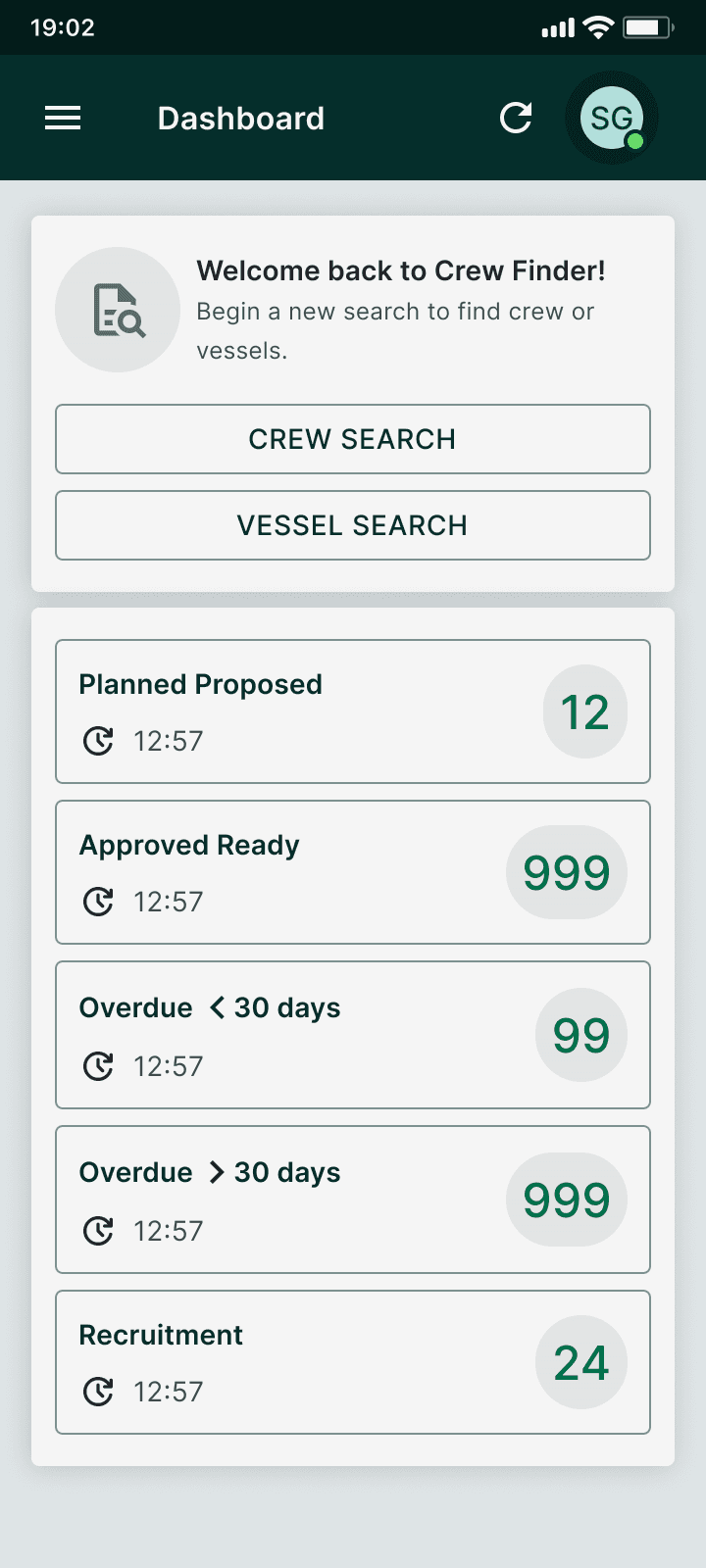
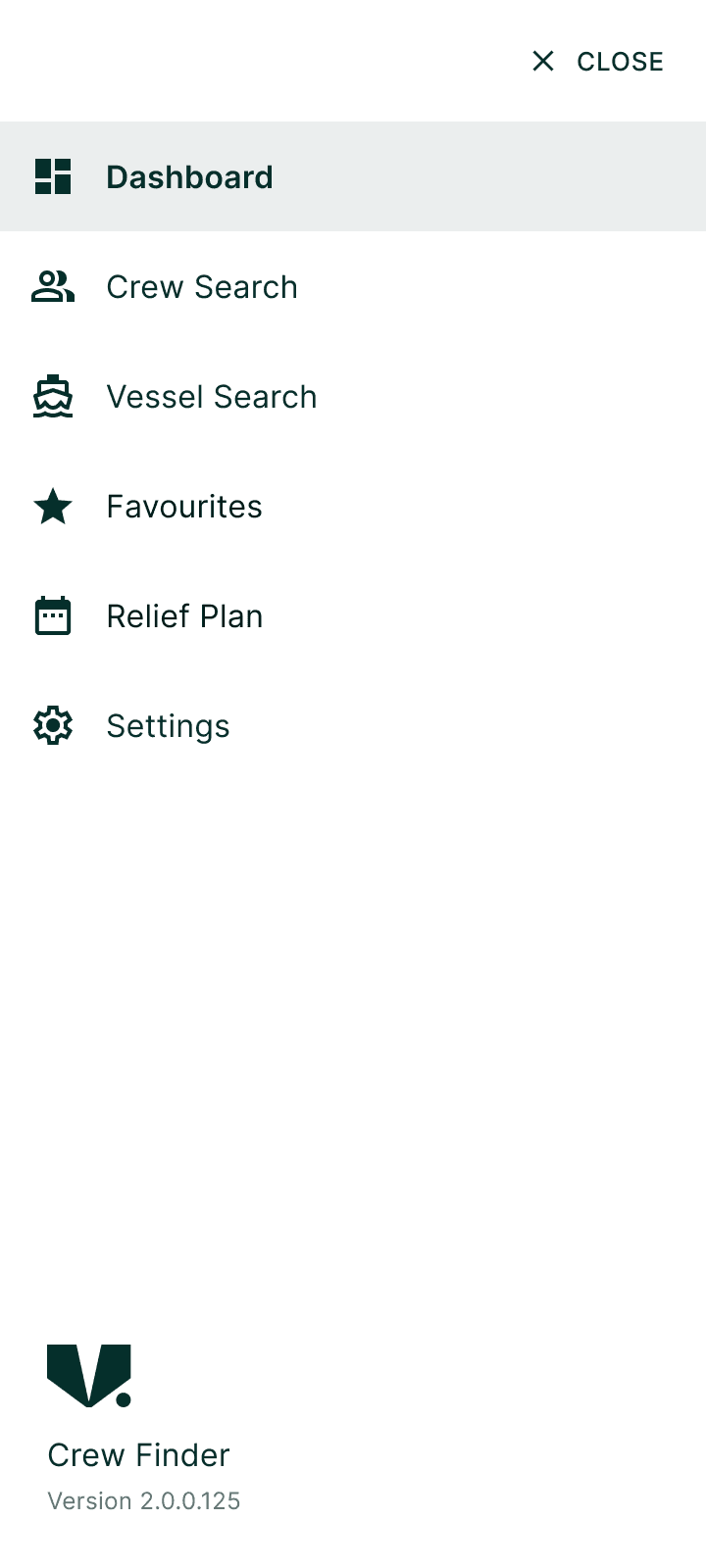
The result was more than a single product, but a stronger design organisation capable of supporting V.Ships’ expanding digital portfolio, including tools for crew management, logistics, maintenance, catering, and onboard services.
Design became a visible, measurable contributor to product success rather than an afterthought.
Results
Team effectiveness: Improved cohesion and alignment between design and product teams, reducing communication breakdowns
Measurable quality: Design output and performance became trackable through shared goals and delivery metrics.
User satisfaction: Seafarer satisfaction across multiple redesigned applications averaged 80%, reflecting improved service quality.
Organisational maturity: Stakeholders gained a clearer understanding of design impact and could identify where experience improvements were needed across services.
Delivery confidence: Products shipped more predictably to market with fewer late-stage issues.

Process
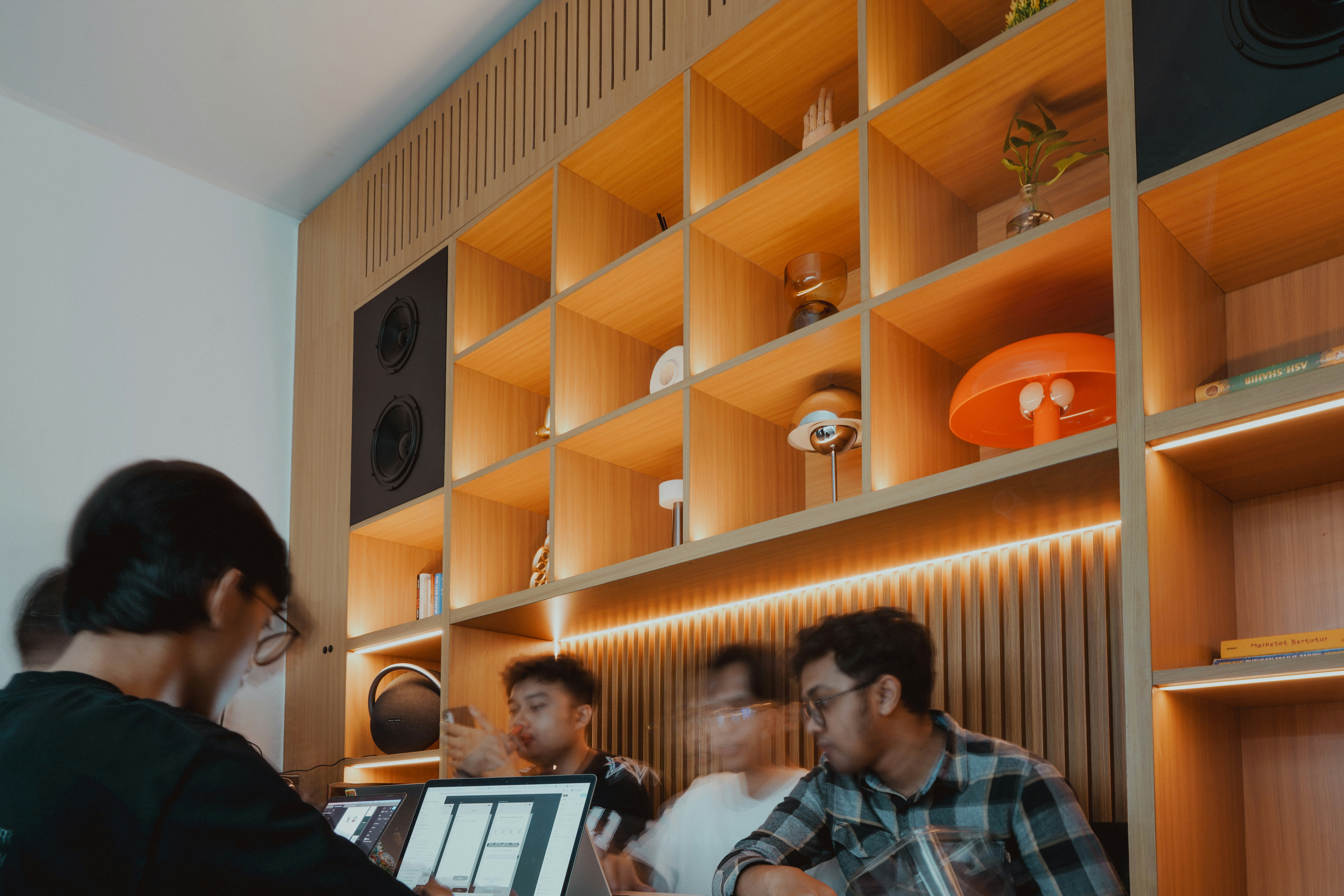
I approached the problem by focusing on systems, behaviours, and culture rather than isolated outputs.
Establishing trust and visibility
I worked closely with senior stakeholders to demonstrate the impact of design through regular updates, shared outcomes, and clear articulation of how UX influenced product quality, safety, and user adoption.
Building sustainable team habits
As demand increased, my priority was to maintain quality. I introduced clearer goals, measurable outcomes, and consistent rituals like 1-on-1s, retrospectives, and workshops which supported both performance and growth.
Improving shared understanding
I addressed terminology and handover issues by improving documentation standards, annotations, and design handoff practices. Designers and developers aligned earlier, reducing ambiguity and miscommunication.
Encouraging collaboration and critique
I fostered a culture of shared design reviews and open critique, allowing teams to iterate together rather than work in silos. This improved consistency across products while supporting individual ownership.
Supporting delivery at scale
I organised cross-team collaboration to ensure products were shipped on time for go-to-market, without sacrificing accessibility or usability standards.
Conclusion
What worked well
Focusing on team habits and systems sustained quality during rapid growth.
Making design visible built trust at leadership level.
Shared critique and collaboration raised the overall bar of work.
What could have been improved
Earlier integration of design into roadmap planning would have reduced reactive delivery.
Additional quantitative benchmarks could further strengthen long-term measurement.
This work reinforced that design leadership at scale is about creating the conditions for good work with clear goals, shared language, and calm systems, so teams can deliver consistently in complex, real-world environments.